How to Care for Hair Extensions: A Professional's Complete Guide

If you've invested in tape-in hair extensions, or any professional extension method, one of the most important decisions you'll make happens long after you leave the salon chair. It happens at home, every day, in how you wash, dry, detangle, and sleep with your hair. Proper hair extension care is the single biggest factor in how long your extensions look beautiful, feel healthy, and hold their color. Done right, a quality set of extensions can last months. Done carelessly, the same investment can look tired and worn within weeks. This guide walks you through every essential habit that protects your extensions and keeps your hair looking salon-fresh between appointments, so you get every bit of value from your look.
1. Brush Before You Do Anything Else
This is the rule that extension wearers wish someone had told them on day one: always brush your extensions before washing, before styling, and before bed. Skipping this step is one of the most common reasons extensions tangle, matt, and shed prematurely.
How to Detangle Without Causing Damage
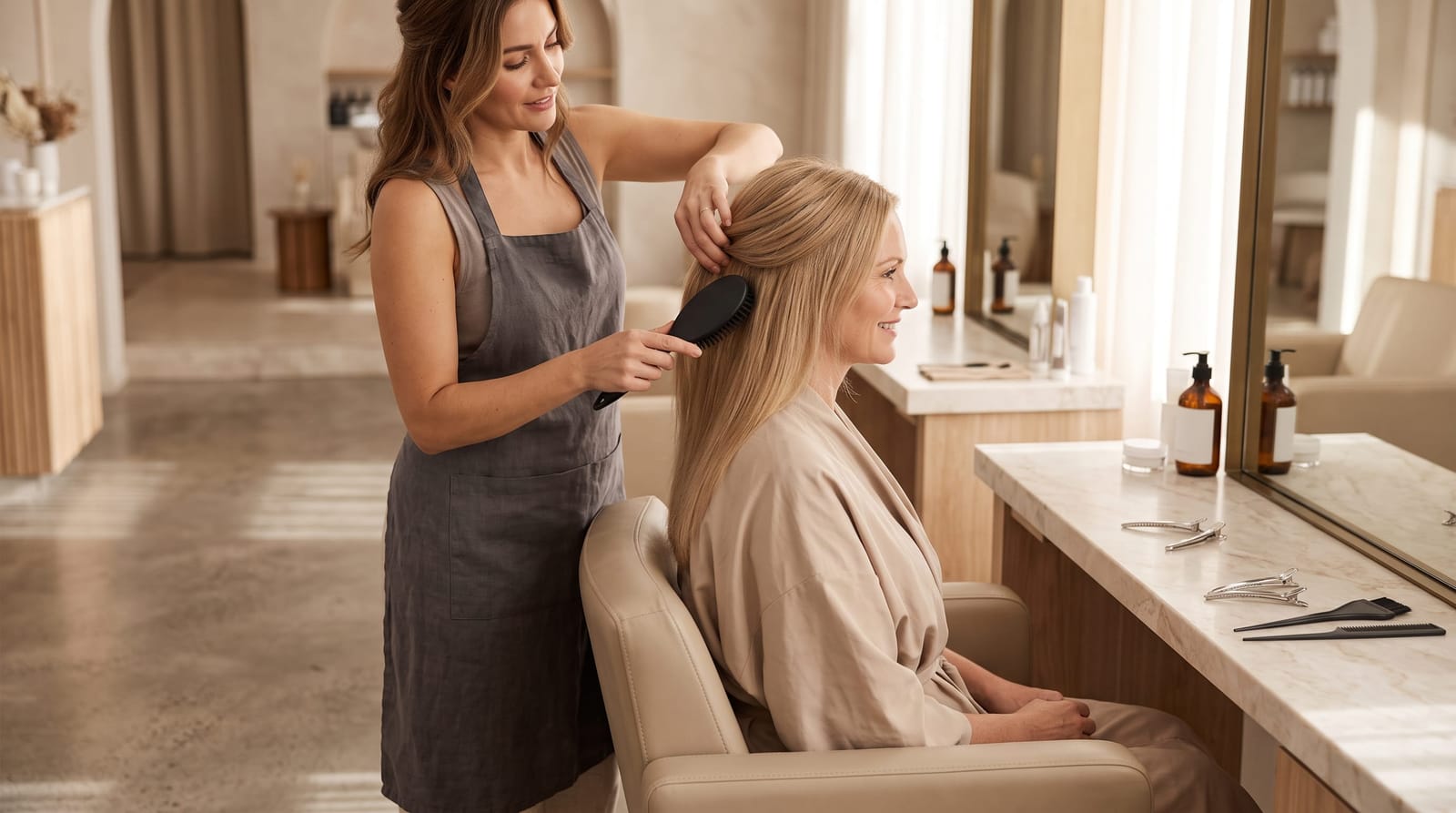
The technique matters just as much as the timing. Start at the ends of your hair and work your way upward toward the roots in short, gentle strokes. Never yank a brush through a tangle from root to tip: this puts stress directly on the bonds or tape attachments and can loosen them over time.
Use a soft-bristle brush or a loop brush specifically designed for extensions. These tools are made to glide through extension hair without snagging at the attachment points. Hold your hair at the mid-shaft with your other hand while brushing the lower section: this simple habit reduces the tension placed on the bonds with every stroke.
After washing, wait until your hair is about 90% dry before brushing again. Wet extension hair is more vulnerable to stretching and breakage, and brushing too soon can stress the hair fiber unnecessarily. Patience here pays off in how long your extensions stay smooth and intact.
2. Wash With the Right Technique and the Right Products
Washing is where many women unknowingly shorten the life of their extensions. The goal is to cleanse thoroughly without disrupting the attachment method or drying out the hair fiber.
Choose a Sulfate-Free Shampoo
Sulfates are the cleansing agents in many drugstore shampoos that create that satisfying lather, but they're too harsh for extension hair and for tape-in bonds specifically. Sulfate-free formulas clean effectively without stripping the hair's natural moisture or weakening adhesive bonds over time. For specific product guidance, our detailed breakdown of the best shampoo for hair extensions covers exactly what ingredients to look for and which to avoid.
Wash Less Frequently Than You Think
Extension hair doesn't receive natural oils from your scalp the way your bio hair does, which means it dries out faster. Over-washing accelerates that dryness. Aim to wash your hair two to three times per week at most: some extension wearers find that twice a week is the sweet spot for maintaining moisture and keeping bonds secure.
Wash in a Downward Motion
Scrubbing your scalp in circular motions feels good but creates friction and tangling around extension attachment points. Instead, apply shampoo to your scalp and work it in with gentle downward strokes. Let the suds rinse through the length of your hair naturally rather than piling all your hair on top of your head.
Condition the Mid-Lengths and Ends Only
Apply conditioner from the mid-shaft down, keeping it away from the roots and attachment area. Conditioner near tape bonds or weft attachments can cause slippage. Leave-in conditioner applied daily to the ends is an excellent habit for keeping extension hair hydrated between washes.
3. Master the Art of Drying
How you dry your extensions is just as important as how you wash them. Leaving extensions damp for extended periods, especially at the roots, can lead to matting around the bonds and, in humid conditions, an unpleasant odor.
Gently Squeeze, Never Rub
After rinsing, gently squeeze water from your hair with a microfiber towel or a soft cotton T-shirt. Rubbing vigorously with a regular terry cloth towel roughens the hair cuticle and creates frizz and tangles that are harder to manage around extensions.
Use a Hair Dryer on a Lower Heat Setting
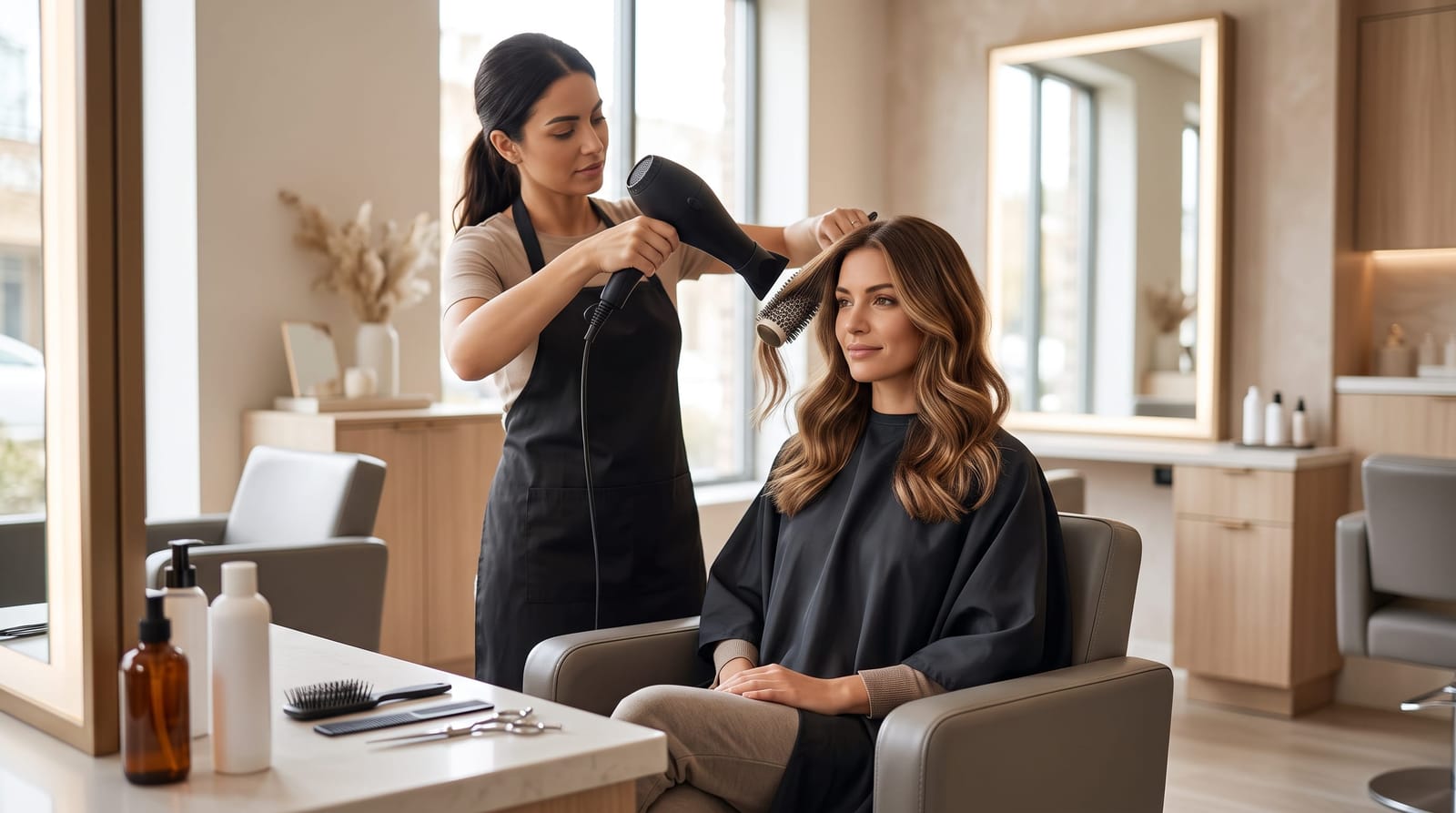
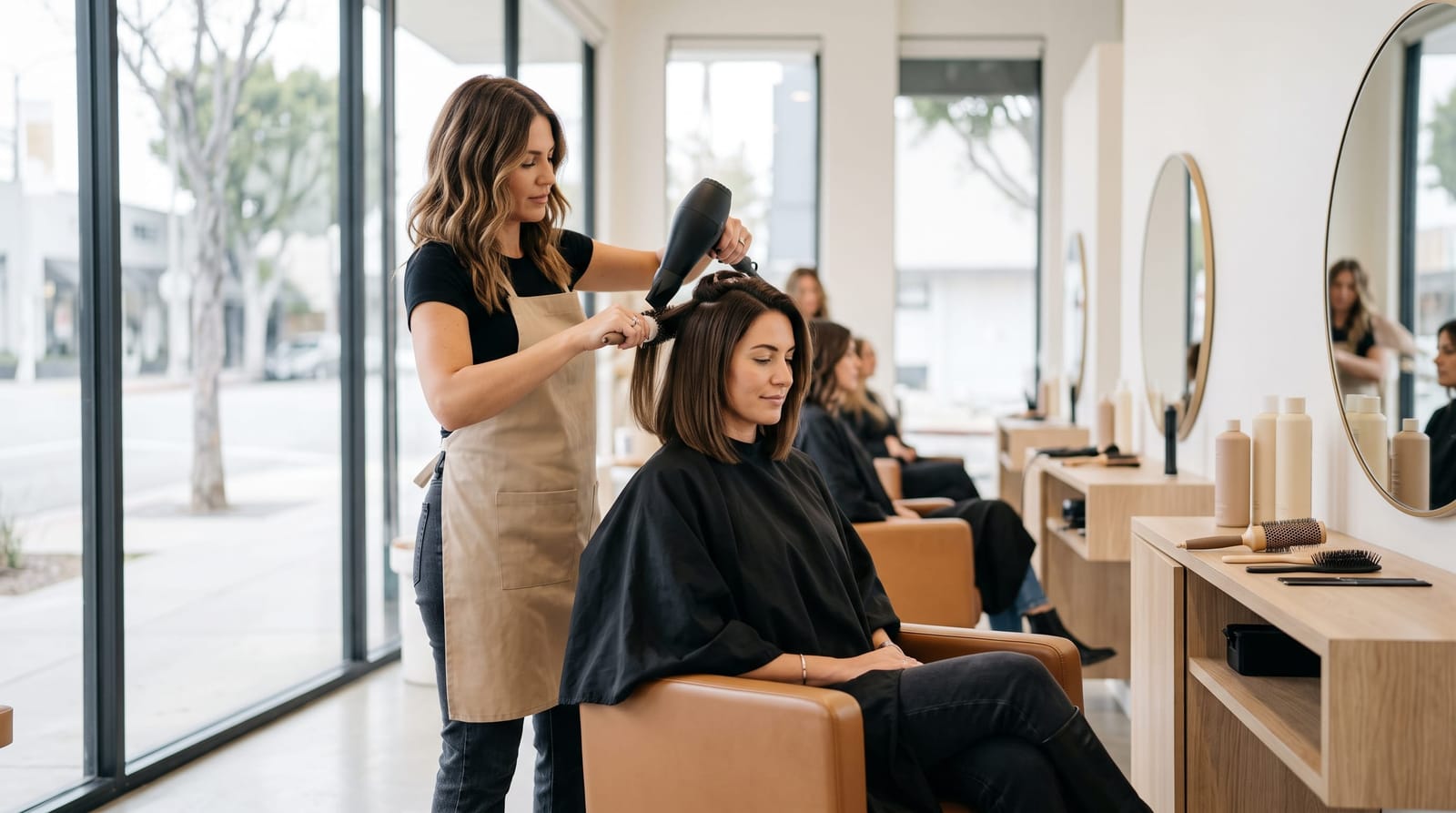
It's perfectly fine to blow-dry extensions, in fact, it's preferable to air-drying completely wet hair around the bonds. Use a low to medium heat setting and keep the dryer moving rather than concentrating heat in one spot. Always dry the root area where the attachments sit before letting the rest air-dry if you prefer a natural finish.
4. Protect Your Extensions from Heat Styling
Most human hair extensions can be heat styled, but the absence of natural oils means they're more susceptible to heat damage than your bio hair. The key is using heat intentionally and always with protection.
Use a Heat Protectant Every Time
This is non-negotiable. A quality heat protectant spray or cream applied to dry or damp extension hair before any hot tool use creates a barrier that reduces moisture loss and minimizes structural damage to the hair fiber. Apply it evenly through the mid-lengths and ends before reaching for your flat iron or curling wand.
Keep Temperature in a Moderate Range
Extension hair doesn't need the highest heat setting to achieve beautiful results. In most cases, a temperature between 300°F and 375°F is sufficient. Using excessive heat repeatedly will dry out the hair fiber, cause color to fade faster, and shorten the overall lifespan of your extensions. If you're deciding between extension methods and considering your daily styling routine, our comparison of sew in vs tape in extensions addresses how different methods interact with daily heat use.
5. Sleep Smart to Prevent Overnight Damage
Eight hours of tossing and turning on a cotton pillowcase creates more friction than most people realize, and that friction works against extension longevity every single night.
Braid or Loosely Tie Before Bed
A loose braid or low ponytail before bed significantly reduces tangling overnight. Avoid tight elastics that pull at the roots, and opt for a soft, snag-free hair tie. Some women prefer two loose braids, one on each side, which keeps the hair contained without creating a crease.
Switch to a Silk or Satin Pillowcase
This single swap makes a meaningful difference. Silk and satin create much less friction against extension hair than cotton, reducing frizz, tangles, and the wear that accumulates over weeks and months of nightly contact. It's a small investment that noticeably extends how long your extensions stay smooth and manageable.
Brush Gently Before Bed
A final gentle brush-through before you sleep removes any tangles that formed during the day and ensures you wake up to hair that's easier to manage in the morning: saving you time and reducing the stress placed on extensions during morning detangling.
6. Handle Water Activities with Care
Swimming doesn't have to mean damage, but it does require preparation. Chlorine and salt water are both drying and potentially damaging to extension hair, and they can weaken tape bonds and other attachment methods over time.
Prep Before You Get In the Water
Before swimming, wet your hair with clean water and apply a leave-in conditioner or a small amount of hair oil through the length. This pre-saturates the hair so it absorbs less pool or ocean water. Then put your hair into a braid or low bun to minimize how much of it is exposed to chemicals or salt.
Rinse and Cleanse Immediately After
Don't let chlorine or salt water sit in your extensions. Rinse thoroughly with fresh water as soon as you're out, then follow with a color-safe clarifying shampoo to remove any chemical buildup, and condition well afterward. If you travel frequently and find yourself navigating pools, beaches, and different climates, our travel hair care tips for extension wearers go into more detail on protecting your look on the go.
7. Build a Consistent Maintenance Routine
The best hair extension care isn't just about reacting to problems: it's about preventing them through consistent habits. Think of your extensions as a beauty investment that rewards attention and a little daily intention.
Daily Habits That Make a Difference
- Brush gently morning and night using an extension-safe brush
- Apply a leave-in conditioner or lightweight hair oil to the ends
- Keep hair secured overnight to prevent friction tangling
Weekly Rituals Worth Keeping
- Deep condition once a week to replenish moisture in extension hair
- Check your attachment points for any slipping or matting
- Use a bond-safe hair mask on the mid-lengths and ends if the hair feels dry
Stay on Your Salon Maintenance Schedule
Even with perfect at-home care, professional maintenance appointments are essential. Extensions need to be moved up, reapplied, or adjusted as your natural hair grows. Skipping appointments doesn't extend the life of your extensions: it typically shortens it and can lead to tangling around grown-out attachments. Our guide on the hair transformation maintenance schedule breaks down how often most extension wearers need to come in and what to expect at each visit.
If you're also exploring whether extensions are right for your hair type and texture, for example, if you have finer hair, our post on clip in extensions for thin hair covers important considerations around attachment and daily care for more delicate strands.
Related Details Worth Exploring
If you'd like to go deeper on any aspect of hair extension care, we've covered several specific topics in more detail across this cluster. From choosing the right sulfate-free shampoo to navigating long-haul travel with extensions, each guide is designed to give you practical, real-world guidance for whatever your lifestyle demands.
Conclusion: Care Is What Makes Extensions Worth It
Beautiful extensions begin in the salon, but they stay beautiful because of what you do at home. Proper hair extension care doesn't require a complicated routine or expensive products. It requires consistency: brushing gently, washing mindfully, protecting from heat, sleeping smart, and showing up for your maintenance appointments. When you treat your extensions with the same intention you'd give any quality investment, they reward you with months of gorgeous, natural-looking length and volume. If you're ready to start your extension journey or want personalized guidance on the right method and maintenance plan for your hair, we'd love to help you find the perfect fit.