Hair Color Correction Cost in Los Angeles: What Affects the Total?
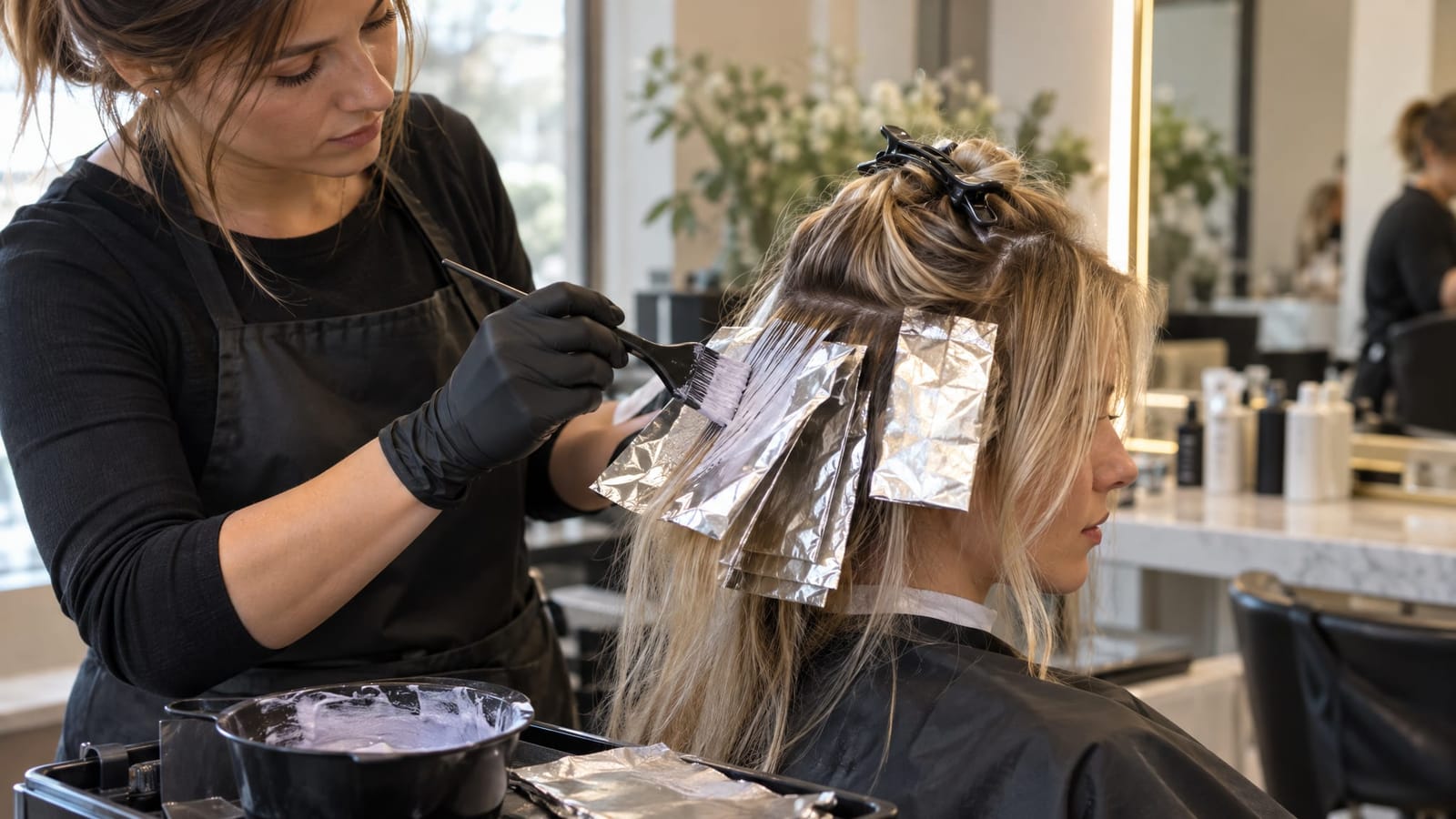
Hair color correction cost depends on the work needed to change your current color, not just the shade you want. Adjusting an unwanted tone is a different service from lifting uneven dark dye and creating a lighter, blended result. The main cost factors are time in the chair, products used, the number of sessions, and the skill required to treat different areas of the hair.
When comparing Los Angeles salons, the most useful figure is the cost of the planned correction, not the starting price for a routine color appointment. A clear estimate connects the price to a realistic first-visit result, any later stages, and ongoing upkeep.
Compare the Type of Correction Before Comparing Prices
“Color correction” describes several different kinds of work. Two people asking for a softer blonde can need very different appointments because their starting colors and previous treatments are different.
| Starting concern | Possible service direction | What affects the cost |
|---|---|---|
| Hair is light enough but looks too warm or too cool | Toner or gloss to adjust the tone | A narrower scope when no additional lightening or uneven-color correction is needed |
| Highlights look too strong or disconnected | Selective color placement to soften contrast and reconnect the overall look | How much of the head needs reworking and whether both lighter and darker sections need adjustment |
| Roots, middle lengths, and ends have different colors | Separate treatment of the different color zones | Additional sectioning, formulas, application time, and monitoring |
| Previously dyed dark hair needs to become substantially lighter | A staged lightening and toning plan | Previous color buildup, the desired level of lightness, and the number of appointments involved |
A toner changes tone; it does not replace the lightening needed to turn dark lengths significantly blonde. That distinction helps explain why a seemingly simple request can involve more than a gloss appointment.
The Four Main Factors Behind a Correction Estimate
1. Chair time: targeted adjustment versus detailed reworking
Correction involves more than applying color and waiting for it to process. Uneven sections can require different mixtures, careful separation, and application at different times. Hair with a dark band through the middle and lighter ends needs a different approach from hair that is evenly colored but slightly too warm.
Length and density also affect the work. A short, dense cut can take substantial sectioning, while long hair adds more surface area to treat. Comparing estimates is easier when each one describes the areas being corrected rather than simply listing “color.”
2. Products: amount used versus purpose
Longer or denser hair generally requires more product. Complex corrections can also involve separate formulas for roots, middle lengths, and ends, followed by toning to bring the result together.
More products do not automatically mean a better service. What matters is their role. A toner adjusts color, while a conditioning treatment supports softness and manageability. Neither is interchangeable with the other. An itemized explanation helps distinguish the corrective work from optional finishing or conditioning services.
3. Sessions: the first appointment versus the complete plan
A single appointment and a complete transformation are not always the same purchase. Previously colored hair can respond unevenly to lightening, and the desired result may be better approached in stages.
For comparison purposes, separate the expected first-visit outcome from the eventual goal. A first session might focus on reducing a dark band and improving the blend, while a later appointment works toward greater brightness. The total hair transformation cost includes those stages, not just the initial visit.
4. Expertise: judgment rather than a longer service list
Correction requires decisions about where to lighten, where to add depth, and where to leave existing color alone. Applying the same formula everywhere can miss the differences that caused the uneven appearance.
Price alone does not demonstrate that judgment. A useful explanation connects your color history to the proposed work and describes the tradeoff between brightness, evenness, and preserving the hair’s condition. That is more informative than a promise to achieve any reference photo in one visit.
One Larger Appointment or a Gradual Change?
The right comparison depends on both the desired result and what the hair can tolerate. A longer appointment can combine several corrective steps, but extra chair time does not make every color goal achievable immediately.
- A focused, single-session correction: Suits a limited goal, such as adjusting tone or softening a specific area of contrast. The scope stays centered on the immediate concern.
- A staged transformation: Separates a substantial change into manageable phases. It creates additional visits, but also allows the plan to respond to how the existing color lifts.
- A revised color goal: Moves toward a more even shade closer to the current depth rather than pursuing maximum lightness. This changes the project itself, rather than merely reducing the appointment time.
For example, someone with dark dyed lengths who wants a lighter look could compare a gradual blonding plan with a softer brunette result. These are different outcomes with different service requirements, not interchangeable versions of the same correction.
How to Compare Los Angeles Salon Quotes Fairly
For a Los Angeles salon comparison, distinguish a routine color menu price from a personalized correction estimate. A root touch-up, partial highlight, and uneven-color correction describe different amounts of work. Salon location alone does not explain what an estimate includes.
Hourly pricing versus a service-based estimate
If an estimate is hourly, useful details include the anticipated appointment length and which parts of the visit count toward the total. Processing, toning, and finishing deserve clear explanations rather than assumptions.
If an estimate is organized by service, compare the listed components. A lightening price and a lightening-plus-toner price are not equivalent. Neither pricing structure is automatically better; clarity about the planned work matters more.
These questions make estimates easier to compare:
- What specific color problem is this appointment intended to address?
- What result is the estimate designed to achieve at the first visit?
- Does the total include toning, drying, and finishing?
- Are a haircut or conditioning treatment separate from the correction?
- What could change the planned scope during the service?
- Which later appointments would continue the correction, and which would be routine maintenance?
The goal is a shared understanding of the service, not simply the lowest figure on a menu.
A Planned Correction Versus Repeated Quick Fixes
A smaller appointment total is not necessarily a lower overall cost if the service leaves the main concern unresolved. Repeated toning will not create the lightness needed for a substantially brighter result. Repeated all-over darkening can hide unevenness while adding more artificial color to areas that may later need lightening.
That does not mean every disappointing result requires an extensive correction. If the underlying lightness is suitable and the problem is tone, a targeted adjustment can be the more appropriate choice.
After home coloring, the hair transformation cost is influenced by overlapping applications and previous shades, not only the latest color on the box. Keeping a record of products used and where they were applied gives the color discussion a more useful starting point.
The practical comparison is between a service that addresses the cause of the unwanted color and a series of appointments that only change its appearance temporarily.
Include Maintenance Without Confusing It With Correction
A corrected color still needs upkeep. A bright result with strong contrast against the natural root creates different maintenance needs from a softer blend closer to the starting shade. Choosing the final look therefore affects both the initial project and later appointments.
Separate follow-up work needed to complete the correction from routine glossing, root color, or highlighting. They serve different purposes.
Thoughtful hair transformation maintenance also supports the finished look between visits. Home care can help with color appearance and manageability, but it cannot correct uneven placement or replace unfinished salon work.
Our Approach at IlonaR Style
At IlonaR Style in Marina del Rey, we offer private, one-on-one hair services, including color correction, blonding, balayage, and toner or gloss. Our focus on natural-looking makeovers makes the overall result important, not simply how much lighter or darker the hair becomes.
A useful starting point is a specific priority: “I want the dark band softened while keeping my current depth,” or “I want to work toward blonde while retaining my length.” Previous color details, reference photos, and the amount of upkeep that fits your routine help give that goal practical direction.
The Most Useful Number Is the Cost of a Clear Plan
A meaningful correction estimate explains what changes now, what may take another visit, and what maintenance follows. Compare equivalent work and realistic outcomes. A focused adjustment can be enough for a limited concern; a substantial transformation needs a broader plan. Understanding that difference is the foundation of a useful cost comparison.