What Is a Natural Hair Transformation? How to Go Natural Without Starting Over
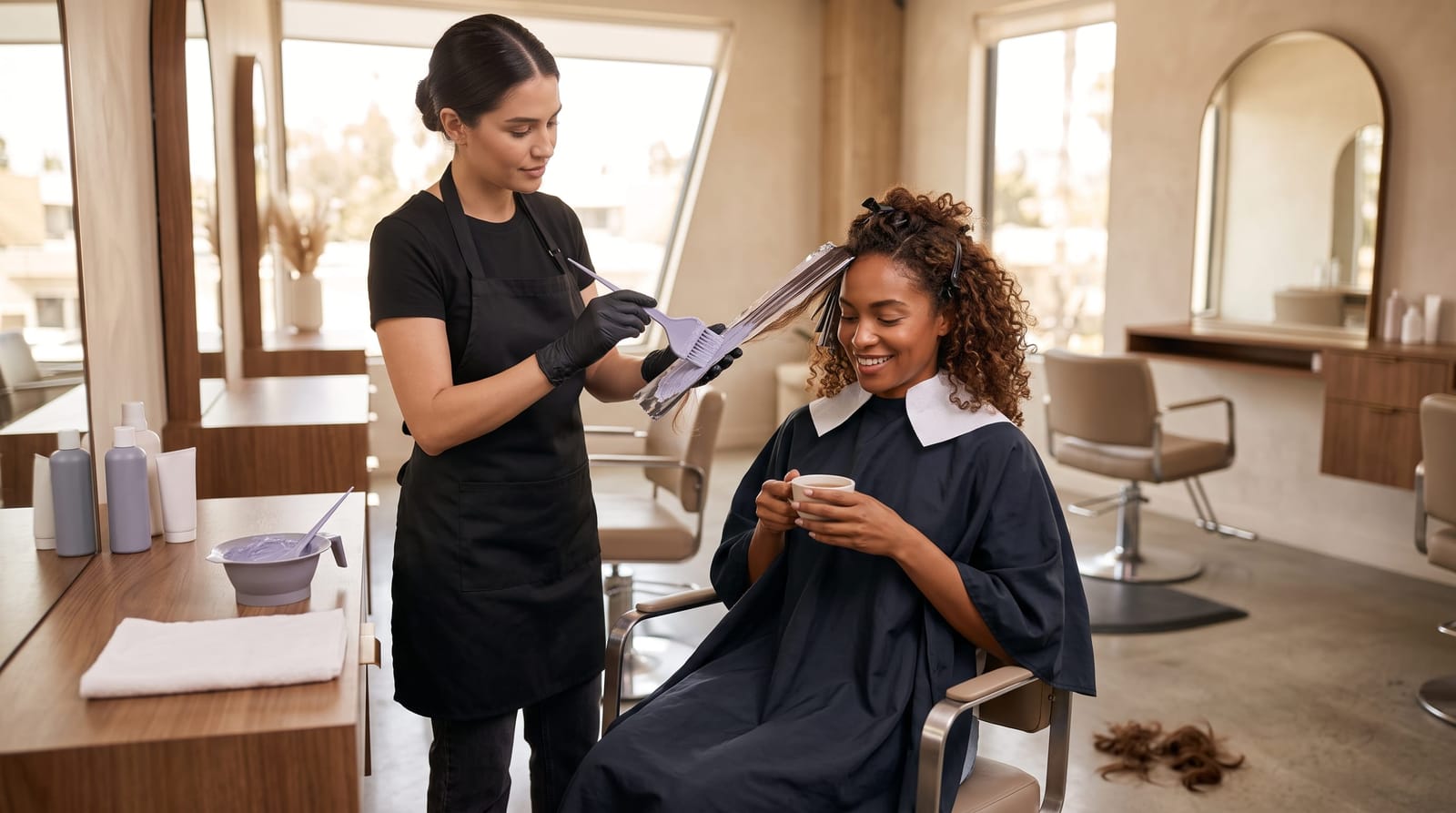
When most women hear the phrase "hair transformation," they picture something dramatic: a complete reinvention that leaves them barely recognizable. But some of the most beautiful dark to light hair transformations are the ones that feel completely effortless, as if you were simply born with that luminous, sun-kissed color. A natural hair transformation is about working with your features, your texture, and your lifestyle, not against them. This guide breaks down exactly what that process looks like, what techniques make it possible, and how to achieve a lighter, more radiant look without starting from scratch.
What Does a "Natural" Hair Transformation Actually Mean?
The term "natural transformation" doesn't mean going product-free or skipping the salon chair. It means the result looks like it happened organically, like your hair simply caught the light beautifully after a summer outdoors. In the world of professional color, a natural dark to light hair transformation is achieved through techniques that mimic how the sun lightens hair: gradually, unevenly (in the best possible way), and with soft transitions rather than sharp lines.
This approach is the opposite of a uniform, all-over color treatment. Instead of lifting your entire head to the same shade, a skilled colorist strategically places lighter tones in the areas where light naturally falls: around your face, along the mid-lengths, and through the ends. The result is dimensional, movement-filled color that enhances your complexion rather than clashing with it.
For women who want to move from darker shades toward something lighter and brighter, this kind of transformation is especially significant. A dark to light hair transformation doesn't have to be a jarring leap: it can be a graceful, multi-layered journey that gets more beautiful with every visit.
The Key Techniques Behind a Natural Dark to Light Hair Transformation
Understanding the core techniques helps you have a more informed conversation with your colorist and set realistic expectations for your transformation timeline.
Balayage
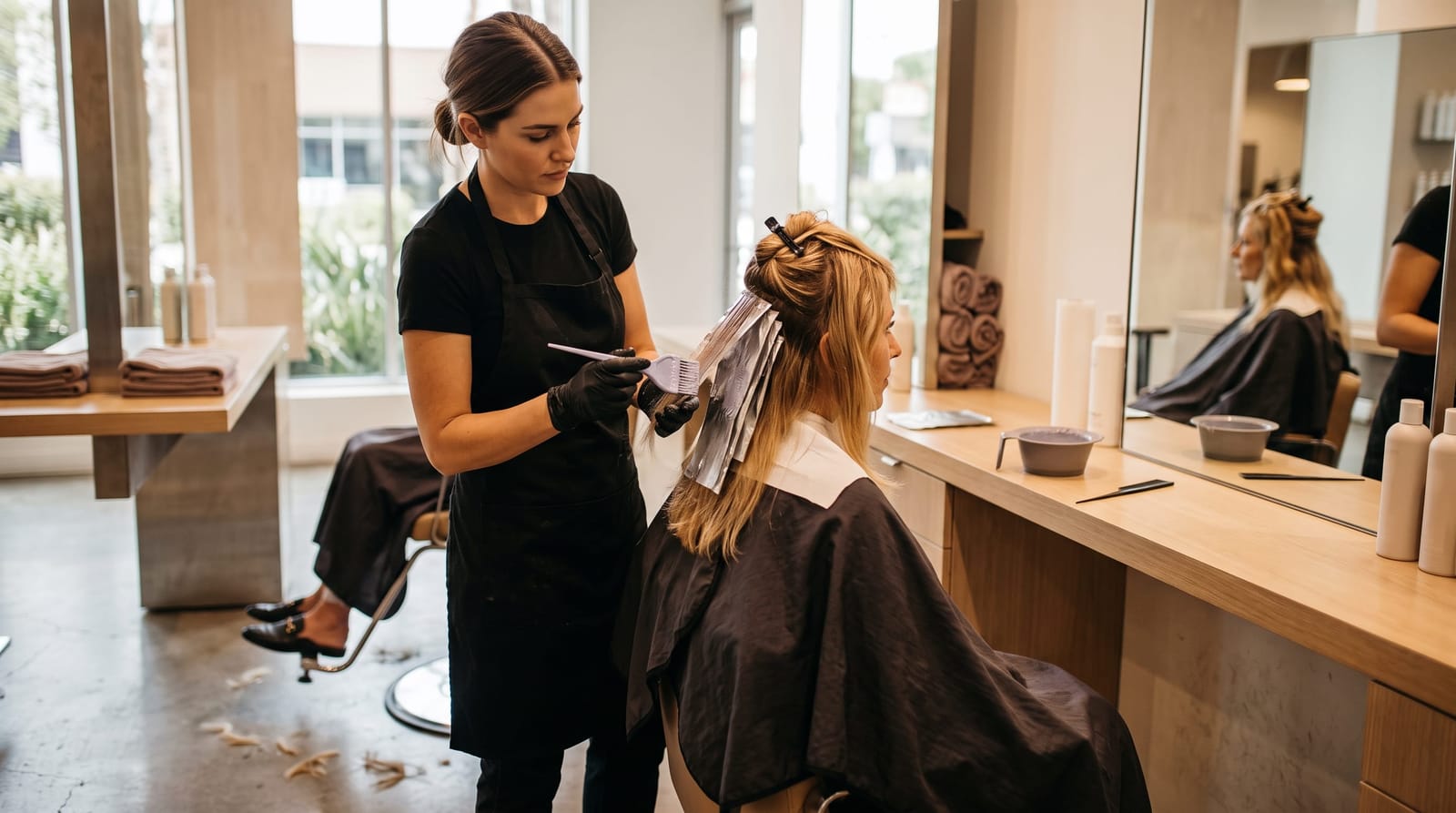
Balayage, the French word for "sweeping", is the cornerstone of most natural hair color transformations. Lightener is hand-painted onto sections of hair in a sweeping motion, creating a soft, diffused gradient from root to tip. Because the color is applied freehand rather than through foils placed uniformly at the root, the result is beautifully irregular: mimicking the way sunlight naturally highlights hair. For a dark to light hair transformation, balayage allows colorists to lift strategically and gradually, preserving depth at the root while introducing brightness through the lengths and ends.
Shadow Root
A shadow root technique intentionally keeps the root area darker, blending it seamlessly into lighter mid-lengths and ends. This is one of the smartest tools for a natural-looking dark to light hair transformation because it eliminates the harsh regrowth line that plagues traditional all-over color. As your hair grows, the shadow root grows with it naturally: meaning your color stays beautiful far longer between appointments and requires far less maintenance.
Toning
Lightening is only half the equation in any dark to light hair transformation. After the lifting process, toning is applied to refine the color: neutralizing unwanted brassy or orange tones that can appear when dark pigment is lifted. Toners are customized to your specific undertones and desired result, whether that's a cool champagne blonde, a warm honey, or a rich caramel. Using purple or blue-toned toning products (including toning shampoos at home) helps maintain that refined color between salon visits.
How the Dark to Light Hair Transformation Process Works Step by Step
A natural dark to light hair transformation is rarely a one-appointment process, and that's actually a good thing. Moving too quickly can compromise hair integrity. Here's how a thoughtful, healthy approach typically unfolds:
- Consultation: Your colorist assesses your current hair color, texture, and condition. This step is essential, especially for a dark to light hair transformation, because understanding your starting point determines the safest and most beautiful path forward.
- Pre-Lightening Preparation: Some clients benefit from a clarifying treatment before their first lightening session to remove buildup and allow the lightener to work more evenly. A clarifying shampoo or a vitamin C treatment can help prepare the hair for a more consistent lift.
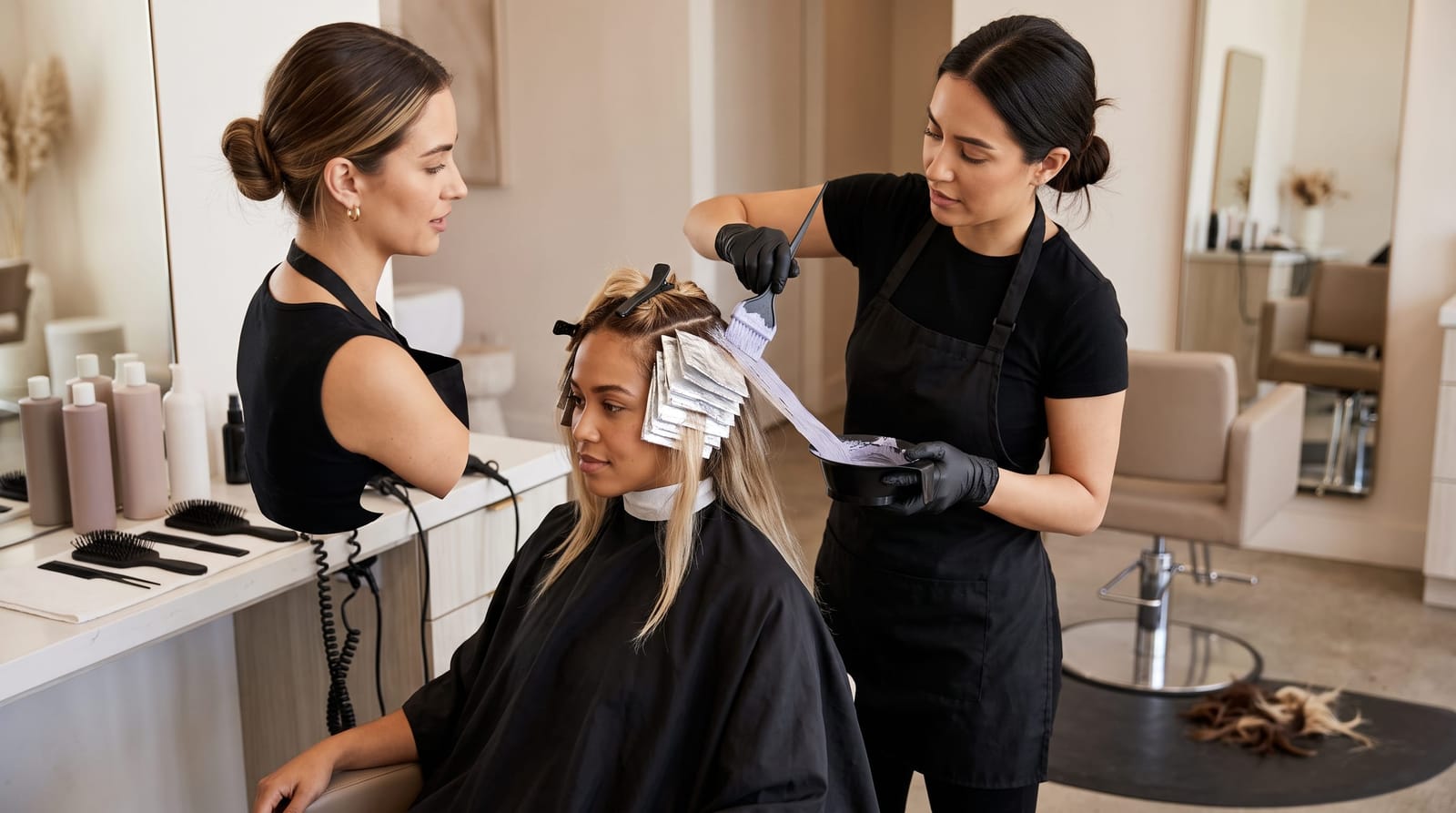
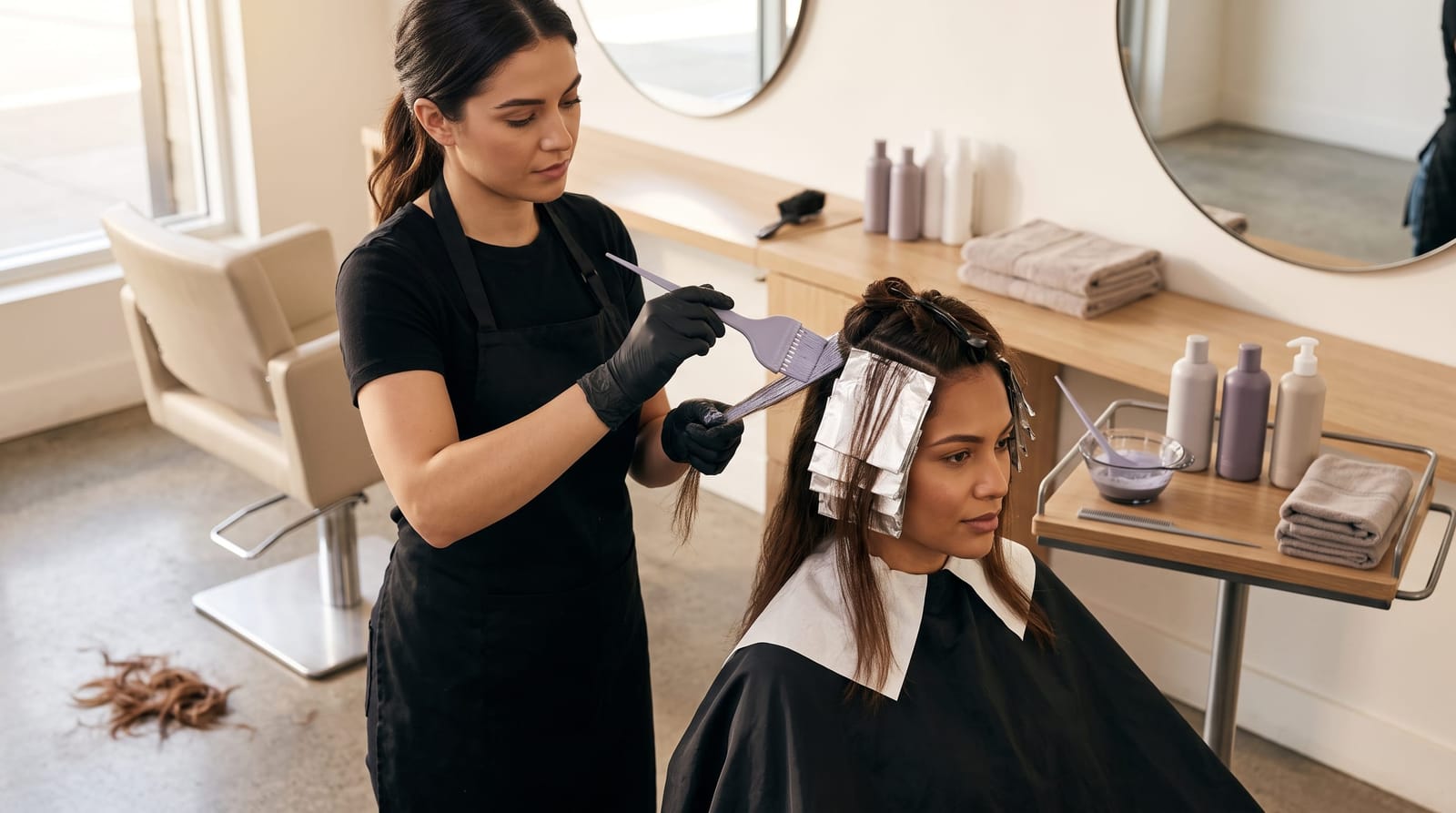
- Strategic Lightening: Lightener is applied, whether through balayage, foilayage (balayage placed with foils for added lift), or a combination, to lift the hair in the areas that will create the most natural, flattering effect for your face shape and features.
- Toning: Once lifted to the right stage, a custom toner refines the color, eliminates brassiness, and brings the transformation together into a cohesive, polished result.
- Cutting and Styling: A natural transformation often includes a complementary haircut that removes any damage from previous color and enhances the movement of the new color. The cut is as important as the color in making the result look effortlessly real.
- Home Care Guidance: Your colorist will send you home with specific product recommendations, including purple or blue shampoos, to extend your results and keep brassiness at bay between visits.
What Results to Realistically Expect
One of the most common questions surrounding a dark to light hair transformation is: "How light can I go in one session?" The honest answer depends on your starting color, your hair's history with chemical treatments, and its current condition.
For naturally dark hair, achieving a dramatic blonde result in a single visit isn't always possible, or advisable. A phased dark to light hair transformation spread across two or three sessions often produces healthier, more beautiful results than pushing the hair too far in one appointment. Rushing this process can lead to uneven color, breakage, or an orange cast that requires significant correction.
What you can expect from a well-executed natural transformation, even at the first session, is an immediate brightening effect: more dimension, more luminosity, and a color that flatters your skin tone rather than washing it out. If you're wondering whether your hair might be ready for something more significant, exploring signs you need a hair transformation rather than just a refresh can help you gauge where you stand.
Maintaining Your Natural Hair Transformation at Home
The beauty of a natural dark to light hair transformation is that it's designed to evolve gracefully, but it still benefits from thoughtful at-home care.
- Use a purple or blue shampoo weekly to neutralize any brassy tones that develop between visits, especially in lighter sections.
- Invest in a quality bond-strengthening treatment to support hair that has been through a lightening process: this helps maintain softness and shine.
- Limit heat styling or always use a thermal protectant to preserve the integrity of your color and reduce fading.
- Schedule regular gloss or toning appointments every 8-10 weeks to keep your color fresh and vibrant between full color sessions.
- Protect your hair from sun exposure with UV-protectant products, as extended sun exposure can shift lighter tones toward unwanted warmth.
For women who are also curious about longer-term transformation goals, like growing out length alongside their color journey, understanding the full scope of what's possible with a short to long hair transformation can offer helpful context on timelines and expectations.
Frequently Asked Questions
How many sessions does a dark to light hair transformation typically take?
Most dark to light hair transformations require two to four sessions spaced several weeks apart to achieve the desired level of lightness while maintaining hair health. The exact number depends on your starting color depth, hair condition, and how light you want to go. A professional colorist will map out a realistic timeline during your consultation.
Will a natural hair transformation look too light or unnatural for my complexion?
A well-executed natural transformation is specifically designed around your unique skin tone and undertones. Techniques like balayage and shadow root create a personalized result: your colorist selects shades that complement your complexion rather than applying a one-size-fits-all color. The goal is always enhancement, not alteration.
How is balayage different from traditional highlights in a dark to light transformation?
Traditional highlights are applied uniformly at the root using foils, creating a striped effect that can look stark or artificial. Balayage, by contrast, is painted freehand to create softer, more diffused results: lighter at the ends and seamlessly blended toward the root. This makes balayage the preferred technique for a natural-looking dark to light hair transformation.
How do I prevent my hair from looking brassy after a dark to light transformation?
Brassiness is a natural part of the lightening process: it occurs when warm underlying pigments are exposed as the hair lifts. At the salon, toners neutralize this. At home, using a purple or blue shampoo one to two times per week helps maintain cool or balanced tones. Regular gloss appointments also play a significant role in keeping the color refined and fresh.
Your Natural Transformation Starts With the Right Plan
A dark to light hair transformation doesn't have to be dramatic to be beautiful, in fact, the most stunning results are often the ones that feel completely natural and effortless. Through techniques like balayage, shadow root, and personalized toning, it's entirely possible to move toward lighter, brighter hair without losing the depth and dimension that makes color look real. Whether you're taking one step lighter or embarking on a multi-session journey, the key is working with a colorist who understands that a natural transformation is as much about artistry as it is about chemistry. The result? Hair that looks like it was always meant to be yours.