Sew-In Extensions vs Tape-In: Which Lasts Longer?
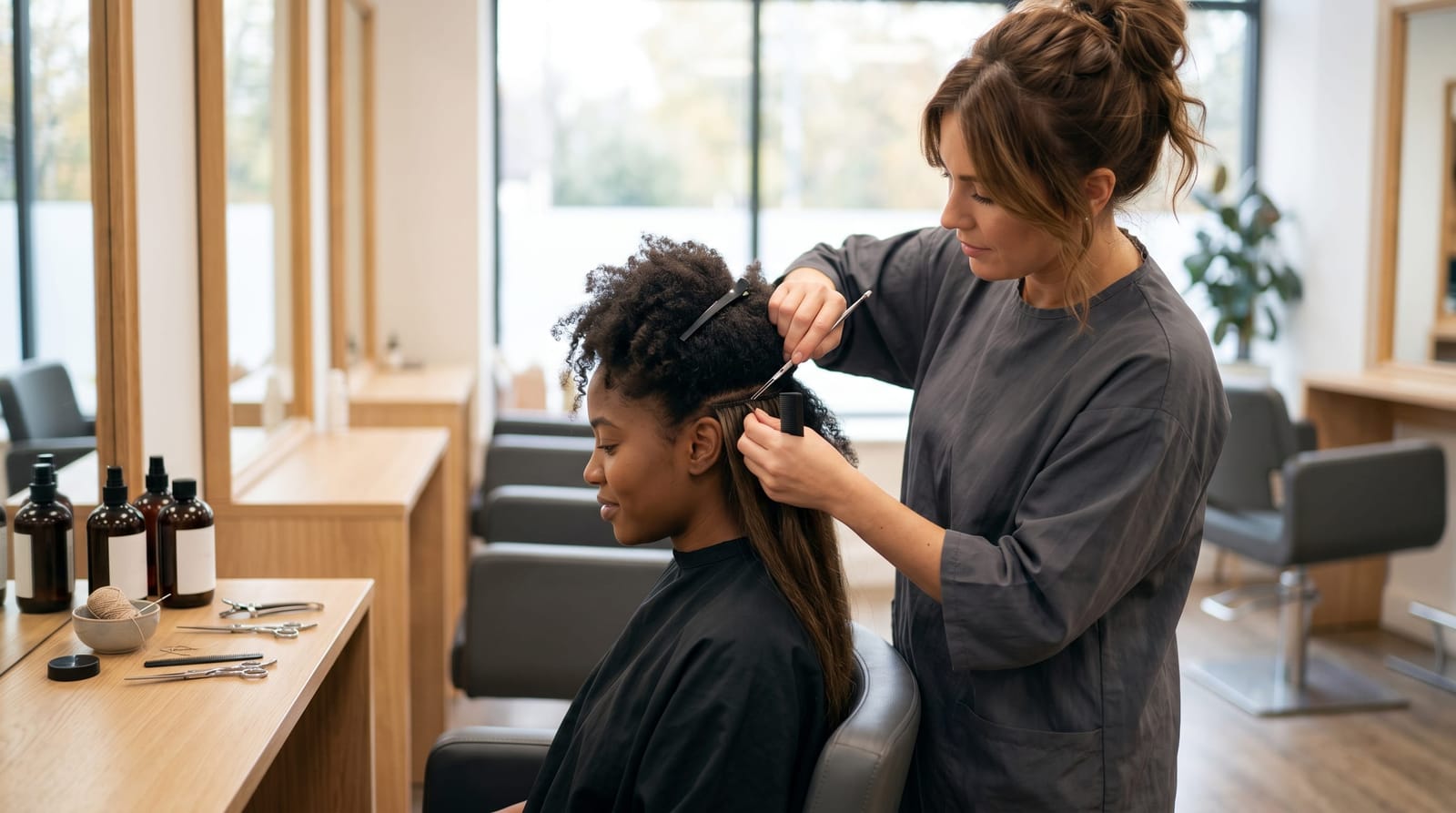
When considering hair extensions, one of the most common questions is whether to choose sew-in or tape-in extensions. Both options offer unique benefits, but their longevity can vary significantly. For busy executive women seeking professional hair extensions, understanding these differences is vital for maintaining a polished, long-lasting look. In this detailed comparison, we’ll explore the longevity, maintenance, and suitability of sew-in and tape-in extensions, helping you make an informed decision.
Sew-In Extensions: Longevity and Maintenance
Sew-in extensions are known for their durability and long-lasting results. These extensions are attached to your natural hair, which is braided tightly to create a foundation. Once in place, the extensions are sewn directly onto the braids. This method is highly favored for its ability to withstand daily wear and tear, making it ideal for those who prefer a low-maintenance approach.
Typically, sew-in extensions can last anywhere from 6 to 10 weeks, depending on hair growth and how well they’re maintained. The lack of adhesive or glue makes them a healthier option for natural hair, reducing the risk of damage. However, it’s essential to keep the scalp clean and moisturized to prevent itching and dryness.
For professional women on the go, sew-ins offer a set-it-and-forget-it solution. With minimal upkeep required, you can enjoy a seamless look without frequent salon visits. However, the initial installation process can be time-consuming, often taking several hours to complete.
Tape-In Extensions: Quick and Convenient
Tape-in extensions have gained popularity for their quick application and natural appearance. These extensions use adhesive strips to attach the hair pieces, making them a less invasive option compared to sew-ins. The application process is relatively quick, often taking just an hour, which is perfect for those with limited time.
However, tape-in extensions require more frequent maintenance. They typically last between 4 to 6 weeks before needing adjustments or reapplication. The adhesive bonds can loosen over time, especially with regular washing and styling. This means regular trips to the salon are necessary to keep them looking fresh and secure.
For busy executives, tape-ins offer the advantage of flexibility. They can be easily adjusted or removed, allowing you to change your style frequently. However, this convenience comes at the cost of needing more frequent maintenance appointments.
Suitability for Different Lifestyles
When deciding between sew-in and tape-in extensions, lifestyle plays a crucial role. Sew-in extensions are better suited for those who prefer a long-lasting solution with minimal day-to-day care. If you travel frequently or have an unpredictable schedule, sew-ins can provide the longevity and durability needed.
On the other hand, if you enjoy changing your hairstyle often and don't mind regular salon visits, tape-in extensions offer the flexibility you crave. They are also less damaging to fine or thin hair, making them a suitable choice for those with delicate strands.
Ultimately, the choice between sew-in and tape-in extensions should align with your lifestyle needs and personal preferences. Consider your daily routine, hair type, and how often you’re willing to visit the salon when making your decision.
Cost Considerations
The cost of extensions can vary significantly based on the method and quality of hair used. Generally, sew-in extensions are more expensive upfront due to the time and skill required for installation. However, their longevity can make them a cost-effective option in the long run.
Tape-in extensions tend to be less costly initially, as they require less time and expertise to apply. However, the need for frequent maintenance can add up over time. It’s important to factor in the ongoing costs when budgeting for your extensions.
For those seeking a luxury salon experience, investing in high-quality extensions and professional application is key. This ensures not only a beautiful end result but also the health and vitality of your natural hair.
Making the Right Choice
Deciding between sew-in and tape-in extensions ultimately depends on your lifestyle, hair type, and personal preferences. For long-lasting, low-maintenance results, sew-ins are an excellent choice. If flexibility and quick application are your priorities, tape-ins offer a convenient alternative.
Consult with a professional stylist to discuss your options and find the best solution for your hair needs. By understanding the pros and cons of each method, you can achieve the natural-looking, long-lasting hair transformation you desire.
FAQ
How often should sew-in extensions be maintained?
Sew-in extensions should be maintained every 6 to 10 weeks. This involves tightening the braids and ensuring the extensions remain secure.
Can tape-in extensions damage natural hair?
Tape-in extensions are generally considered less damaging than other methods. However, improper application or removal can cause stress to your natural hair.
Are sew-in extensions suitable for all hair types?
Sew-ins are best suited for thicker hair types that can support the weight of the extensions. Fine or thin hair may require alternative methods like tape-ins.
What is the cost difference between sew-in and tape-in extensions?
Sew-in extensions often have a higher upfront cost due to the time and expertise required. Tape-ins are less expensive initially but may incur higher ongoing maintenance costs.
Conclusion
Choosing between sew-in and tape-in extensions involves considering factors like longevity, maintenance, and lifestyle compatibility. Sew-ins offer a durable, low-maintenance option, while tape-ins provide flexibility and quick application. By understanding your needs and consulting with a professional, you can select the method that best enhances your style and fits your busy life. For more insights on professional hair extensions, explore our Complete Guide to Professional Hair Extensions: Types, Application, and Care.
```