How Often Should You Get Highlights? A Schedule for Professional Women
Book highlights around how their grow-out looks, not automatically every time gray roots appear. Highlights, gray-root coverage, and toner address different concerns, so they do not necessarily belong on the same appointment schedule. A defined highlight close to the scalp may need attention sooner than a softly blended balayage, while gray coverage may need its own maintenance visits between lightening services.
If you are wondering how often to color gray hair, there is no single interval that also tells you when to refresh your highlights. Your natural color, placement of gray, growth rate, and preference for visible roots all affect the answer. This reference guide helps you separate those services and plan a manageable calendar.
Quick Reference: What Needs Refreshing, and When?
Within the broader range of highlighting techniques, placement and contrast matter as much as the service name. Use these visual checkpoints as a starting point for a personalized schedule rather than treating a fixed number of weeks as a rule.
| Service | When to discuss a refresh | Scheduling consideration |
|---|---|---|
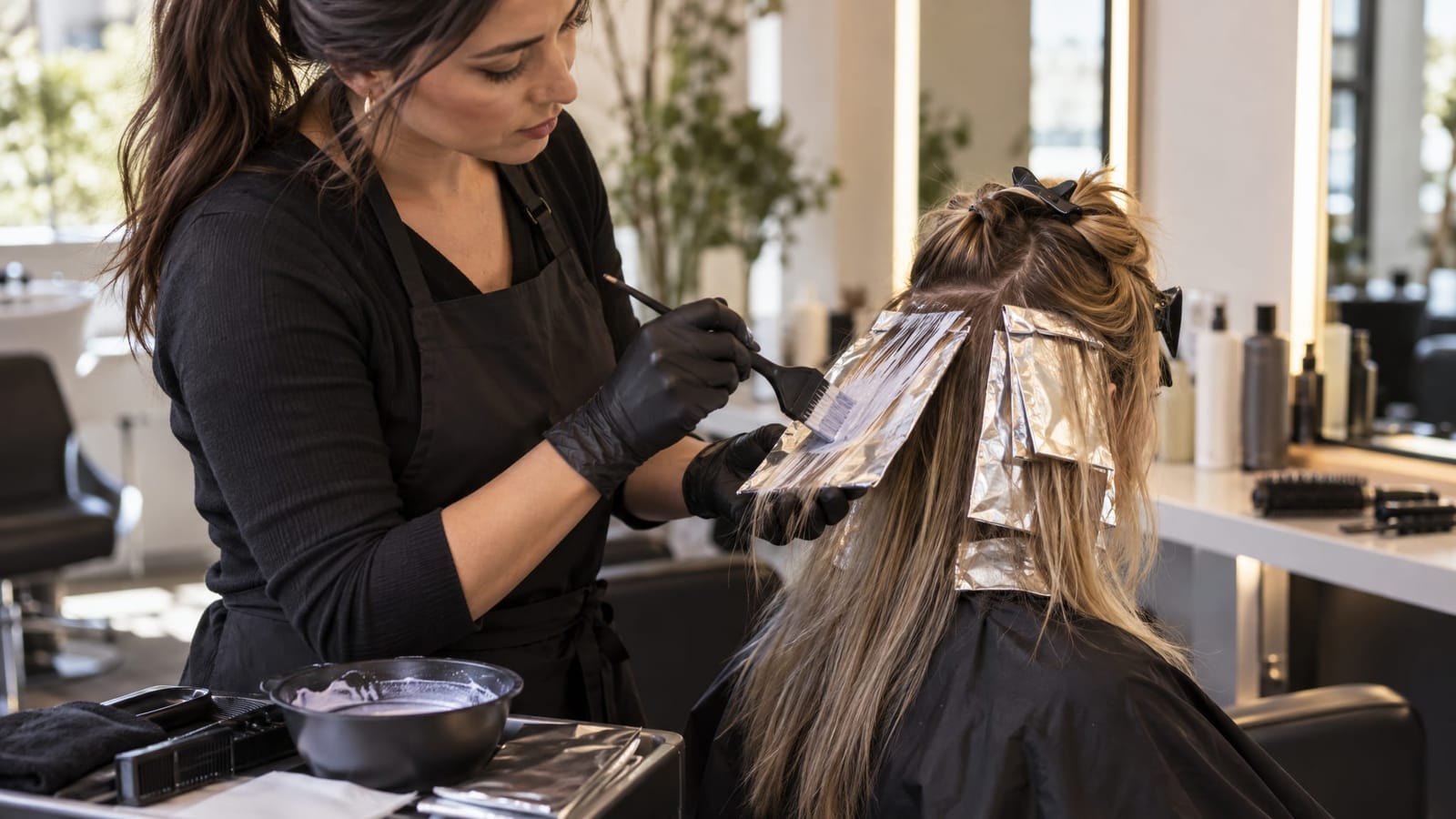
| Traditional foil highlights | A noticeable gap develops between the roots and the highlighted sections. | High contrast at the part or hairline may become distracting before the rest of the color does. |
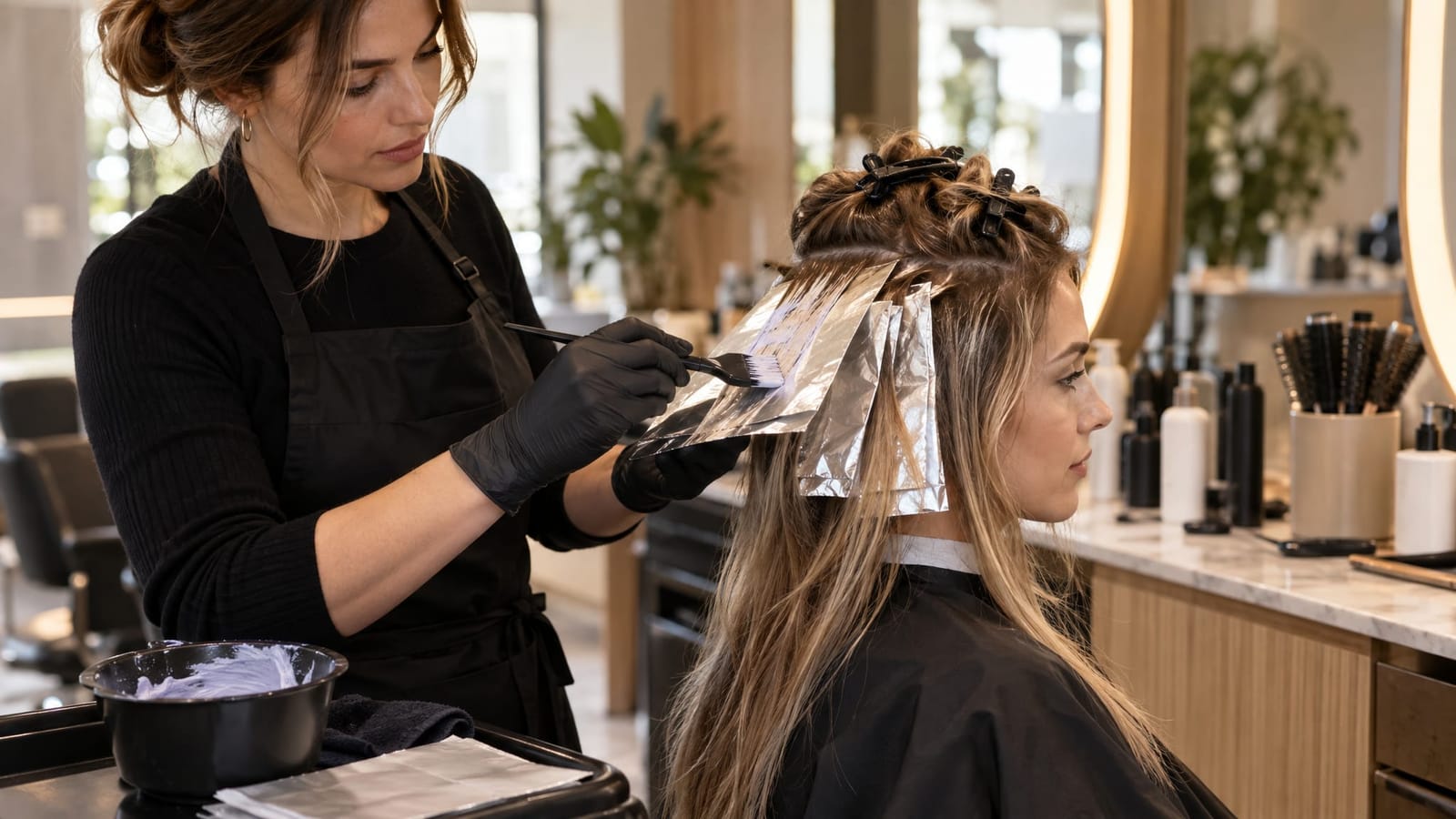
| Babylights | The fine, lightened strands no longer blend into the new growth as softly as you prefer. | Fine sections do not automatically mean low maintenance; density and starting color also matter. |
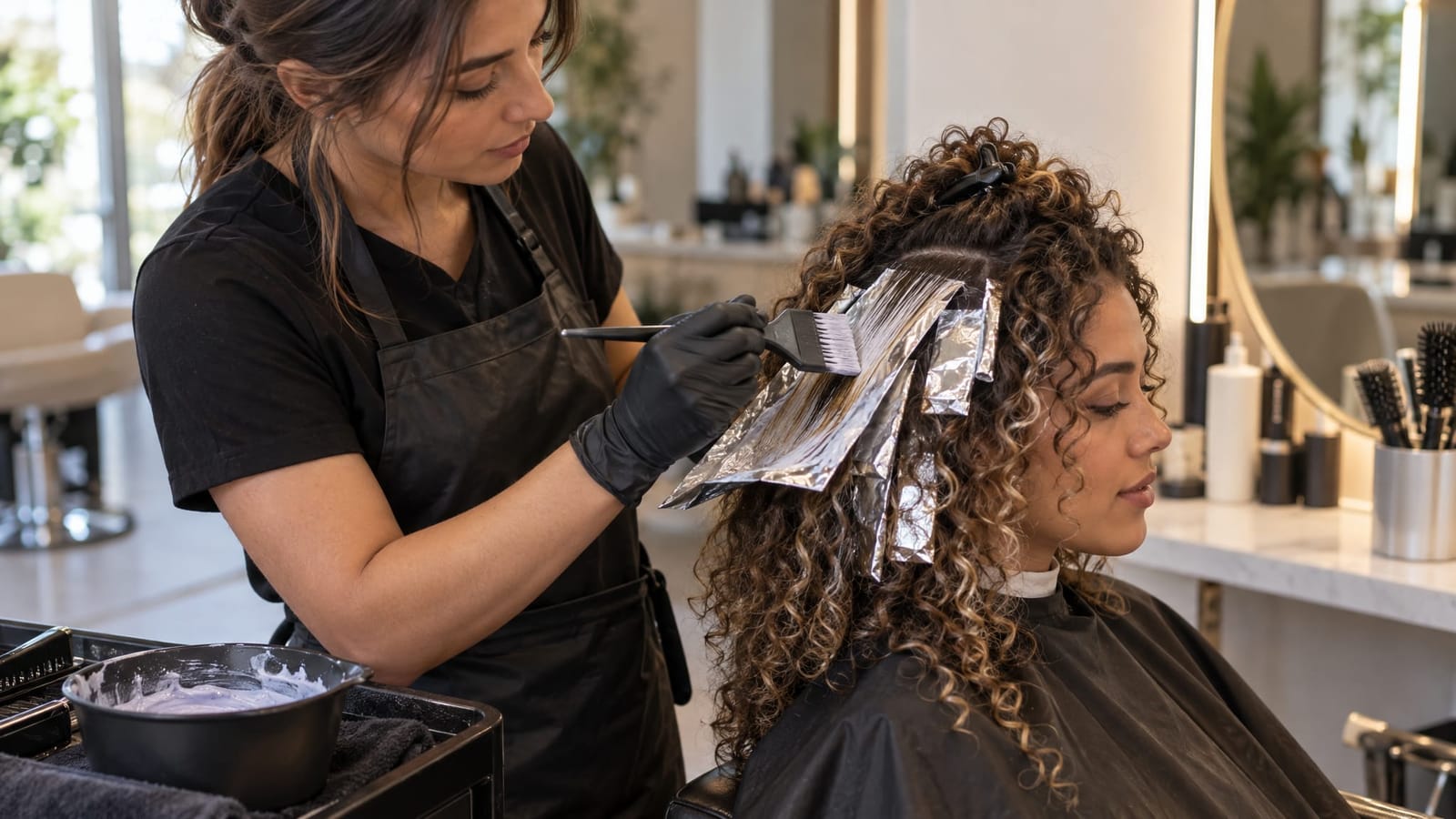
| Balayage or highlights with a softened root | The brightness sits lower than you want, or the face-framing pieces need repositioning. | A deliberately softer root can allow more flexibility than lightening that starts directly at the scalp. |
| Partial highlights | The part, crown, or face frame needs brightness, while the remaining color still looks balanced. | A focused refresh may be enough between more comprehensive appointments. |
| Full highlights | The overall distribution of lightness needs updating, including sections underneath. | A full service is not automatically necessary at every visit. |
| Toner or gloss | The shade looks warmer, cooler, or less balanced than intended, but the placement still works. | Ask whether a tone adjustment can address the concern without adding more highlights. |
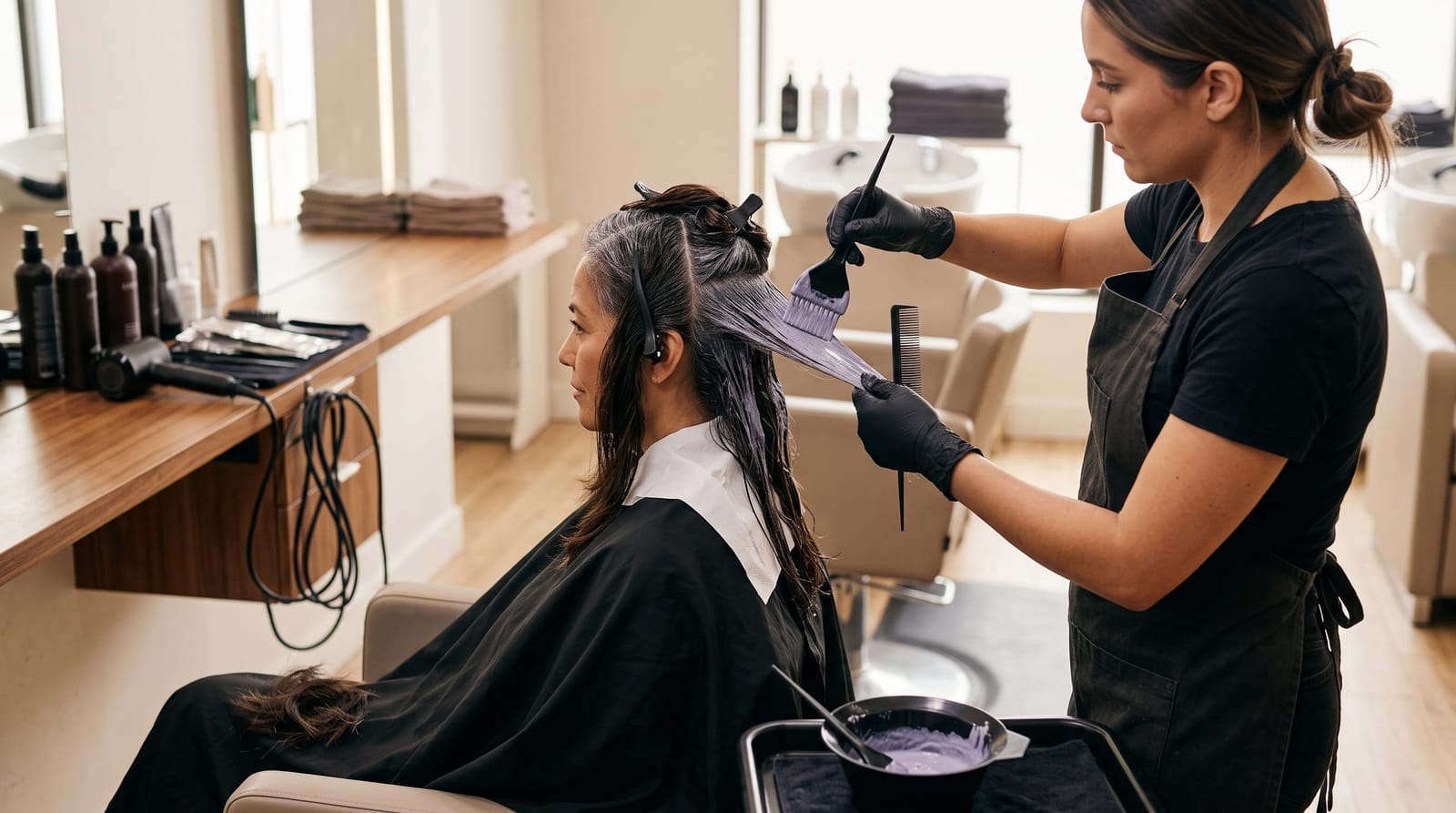
| Gray-root color | Visible gray at the roots exceeds your preferred level of coverage. | Keep this schedule separate from highlight maintenance when appropriate. |
How Often to Color Gray Hair: Coverage Versus Blending
The first decision is whether you want gray concealed or incorporated into your color. These goals create different maintenance expectations.
Fuller coverage: plan around visible roots
When gray roots contrast strongly with the colored lengths, even a relatively small amount of growth can be noticeable. In theSkimm’s interview with professional colorists, the experts describe hair growth as roughly half an inch per month, while emphasizing individual variation. The article discusses four-to-six-week color intervals, but that is not a universal highlight schedule or an instruction to recolor the lengths at every visit.
For planning purposes, a four-to-six-week color check-in can be a conversation starter if coverage is your priority. The actual service may concern new growth rather than the highlighted lengths. Your colorist can assess what needs attention and whether another lightening service is appropriate.
Gray blending: plan around the overall effect
Gray blending leaves some gray visible and uses the surrounding color to soften its contrast. Highlights introduce lighter strands; lowlights introduce darker ones. Their usefulness depends on your existing color and the effect you want, not simply the amount of gray.
The same colorist discussion from theSkimm distinguishes gray blending from higher-maintenance, full-coverage color. Blending may allow longer gaps when you are comfortable seeing some silver, but it does not promise invisible regrowth.
Source context matters here: Hairborist’s four-to-eight-week guidance specifically concerns plant-based gray-hair dye. It is not evidence that bleach highlights or every other color service follow that interval.
Adjust Your Schedule to Your Hair and Calendar
- Look at contrast, not just growth. Dark roots against bright highlights create a different visual boundary from highlights close to your natural shade.
- Check your usual part and hairline. These may determine when you want a refresh even if the rest of your hair still looks balanced.
- Account for how you wear your hair. A ponytail can reveal areas that are less visible when your hair is down. Show your colorist both looks.
- Describe your tolerance for roots. “I like a soft shadow” and “I want brightness right at my part” lead to different placement choices.
- Separate tone from placement. A change in shade does not necessarily mean you need more lightened strands.
A useful consultation question is: “Which part of this color is likely to bother me first, and what is the smallest service that would address it?” That gives your calendar more structure than automatically repeating the entire original appointment.
A Practical Appointment Plan for a Busy Calendar
Hypothetical example: Someone with highlighted brunette hair wants coverage at the temples but likes a softly grown-in look through the lengths. Her plan might include root-color appointments between highlight visits, a partial highlight when the face frame needs brightness, and a broader refresh only when the overall placement needs rebalancing.
Someone else is comfortable with visible silver but dislikes a pronounced stripe at the part. Her planning discussion may focus on softer contrast rather than more frequent coverage. Neither calendar is inherently better; they serve different preferences.
Before leaving the salon, clarify what the next appointment is intended to accomplish: roots, tone, targeted brightness, or overall lightening. For travel or an important presentation, discuss timing ahead of time rather than assuming every service can fit into the same appointment window.
Between visits, keep your routine aligned with your colorist’s guidance. This guide to maintaining highlights explains where color safe shampoo fits into ongoing care. Home care supports the appearance of existing color; it does not stop new growth.
Frequently Asked Questions
Do I need highlights every time I cover gray roots?
Not necessarily. Root color addresses new growth, while highlights change the placement of lighter strands. If the highlighted lengths still look balanced, discuss whether the visit can focus on roots alone.
Can toner hide gray roots?
Do not assume a toner will provide full gray coverage. “Toner” describes a color-adjusting role, and results depend on the product and hair. Clarify whether the intended result is tone correction, subtle blending, or coverage.
Does a partial highlight always mean less frequent maintenance?
No. “Partial” describes the areas being highlighted, not how quickly roots become visible. A bright face frame may attract attention sooner than softer highlights distributed throughout the hair.
Plan Around the Result You Want to Maintain
The most useful schedule separates visible gray, highlight grow-out, and changes in tone. For a personalized plan, ask IlonaR Style which of those concerns needs the next appointment, and which can wait.