How Many Sessions Does Hair Color Correction Take?
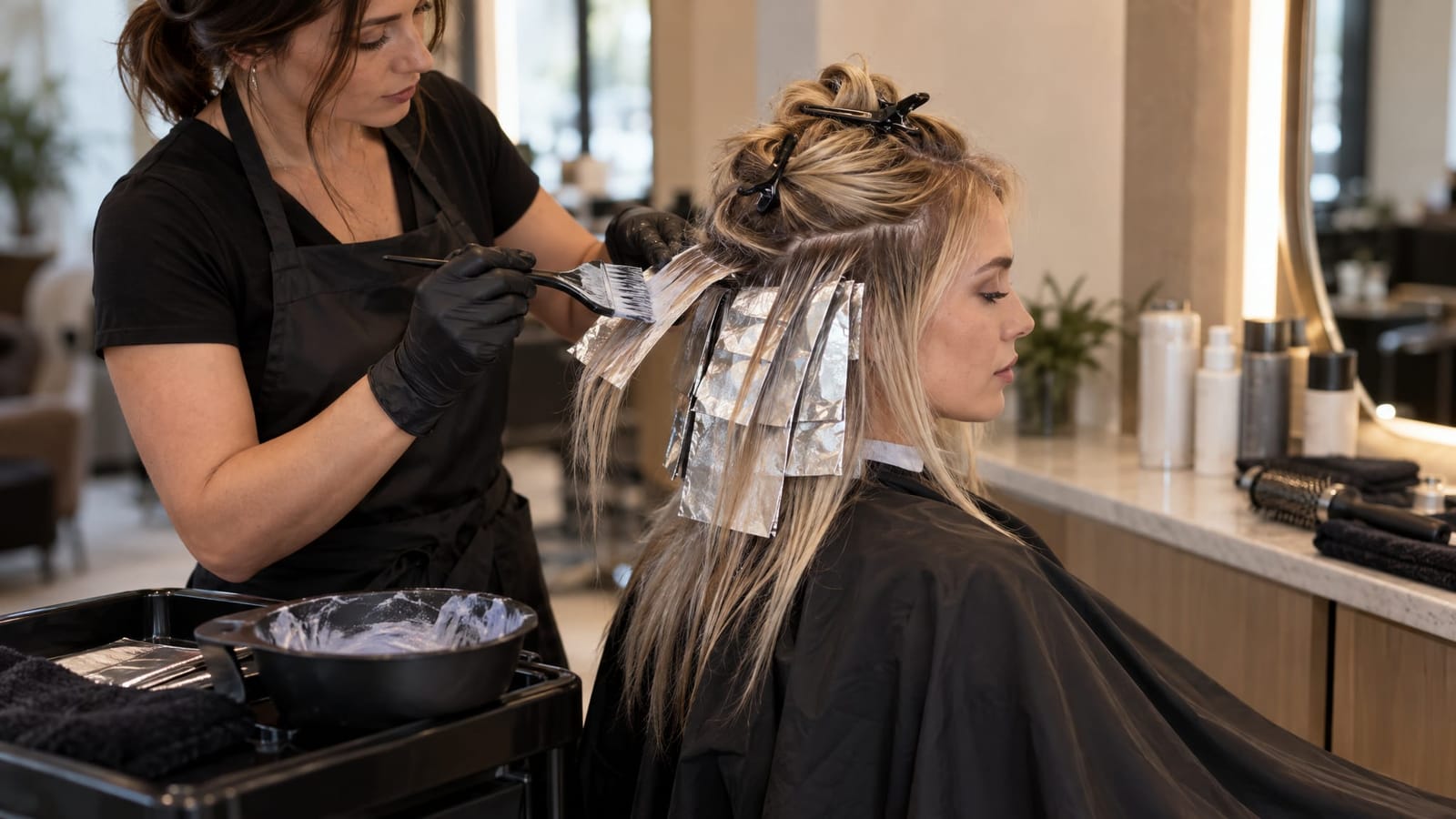
A simple tonal correction may take one appointment. A complex change, such as moving from layers of black box dye to blonde, generally takes multiple sessions. The biggest factors are your color history, the condition of your hair, and how far your desired shade is from your starting point.
For a major transformation, think in stages rather than a single finishing date. The first appointment might focus on reducing unevenness or establishing a wearable intermediate shade. Later appointments can move the color closer to your goal, provided your hair can tolerate further processing. That progression can extend over weeks or months rather than one salon day.
Different Corrections Need Different Timelines
“Color correction” describes several different services. Correcting an unwanted tone is not the same process as removing dark artificial pigment or evening out multiple bands of color.
A tone adjustment: potentially one appointment
If your hair is already light enough but looks too yellow, orange, or cool, a toner or gloss may address the problem in one visit. The important distinction is depth versus tone: toner adjusts the color you see, but it does not replace the lightening needed to reach a substantially brighter blonde.
Uneven color: more than an all-over application
Dark bands, lighter roots, and porous ends need different treatment. Applying the same formula everywhere can leave those differences visible. The session count depends on how much correction each area needs and whether previously lightened sections can tolerate additional processing.
Black box dye to blonde: a staged transformation
Repeated dark coloring can leave more artificial pigment through the lengths than at the roots. As that color is lightened, warm red, orange, and yellow tones can become visible. A brunette or caramel stage may be a more suitable first destination than immediately pursuing a pale blonde.
What Determines Your Session Plan?
At IlonaR Style in Marina del Rey, we offer color correction in a private, one-on-one salon setting. A useful starting point for discussing a transformation is a clear picture of both your hair history and your daily routine.
Bring the details that influence the plan:
- Previous color: Include salon color, box dye, direct dyes, and henna, even if they are beneath a more recent shade.
- Previous processing: Mention bleaching, chemical straightening, and other treatments applied to the remaining lengths.
- Your priorities: Decide whether keeping length, reaching a particular shade, or limiting upkeep matters most.
- Reference photos: Bring your preferred result and an intermediate color you would feel comfortable wearing.
A strand test, which checks how a small section responds to a proposed treatment, helps inform the approach. It is a planning tool, not a guarantee that every section will respond identically.
Why Rushing Can Compromise the Result
Lightening changes more than pigment. Repeated or overlapping processing can weaken the hair fiber, especially on areas that have already been bleached. Pushing those sections further can lead to breakage, roughness, and ends that take color unevenly.
That is why a longer appointment is not automatically a substitute for multiple sessions. There is a limit to how much processing the hair can tolerate at one time.
Spacing appointments creates opportunities to reassess the hair and refine the next step. However, waiting does not return chemically processed hair to its original condition. Conditioning can improve softness and manageability, but it does not make unlimited additional lightening possible. Sometimes the better adjustment is a deeper final shade, less overall lightening, or a haircut.
Plan for the Color Between Appointments
An intermediate color deserves as much consideration as the final inspiration photo. It is the shade you will wear to work, dinners, and everyday commitments while the transformation progresses.
For example, if your starting point is dark dyed hair and your goal is a cool blonde, a warm brunette stage may fit the first appointment better. If warmth is something you strongly dislike, a deeper neutral result may be preferable to pushing lighter before the hair is ready.
Before beginning, discuss three practical questions:
- What is the priority for this appointment: evening out the color, removing depth, or adjusting tone?
- What intermediate shade fits both the process and your preferences?
- What will determine whether the next visit involves more lightening, tonal refinement, or maintenance?
When an important event is approaching, a balanced, wearable result may take priority over making the largest possible change.
Hair Transformation Maintenance Between Sessions
Correction appointments move you toward a new color. Maintenance appointments help preserve the result between those stages and after the correction is complete. A gloss, root touch-up, and further lightening each serve a different purpose.
Keep the at-home routine focused:
- Cleanse and condition for your hair’s needs. Pay particular attention to the manageability of processed lengths and ends.
- Reduce unnecessary heat styling. Use heat protection when styling with hot tools and avoid repeatedly passing over the same sections.
- Use pigmented products selectively. Purple shampoo addresses yellow tones; it does not remove dark bands or make hair lighter. Overuse can leave lighter areas looking dull or violet.
- Avoid adding new color between correction visits. An all-over box dye can cover the intermediate result while adding pigment that complicates the next stage.
Maintenance also belongs in the original goal. A bright blonde with a strong contrast at the roots generally needs more visible upkeep than a shade closer to your natural depth.
Frequently Asked Questions
Will a color remover bring back my natural color?
Removing artificial pigment does not restore natural pigment that earlier coloring has lightened. The result can still need tonal adjustment or further correction, so color removal is a stage of the process rather than an automatic return to your starting shade.
Can gray coverage continue during a correction?
Gray coverage at the roots and correction through previously colored lengths are separate tasks. Keeping those goals distinct helps avoid repeatedly applying permanent color over areas being corrected.
Will I need to cut my hair?
A correction does not automatically require a major haircut. However, fragile or heavily processed ends can limit the options. If keeping length is your priority, a less dramatic color change may be the more suitable tradeoff.
A Realistic Timeline Starts With Clear Priorities
The right session count follows the hair, not a deadline. A small tonal adjustment and a dark-to-light transformation need different plans. Defining a wearable intermediate shade, protecting the lengths, and choosing manageable upkeep makes each stage more purposeful.